From Silos to Synergy: How ZTNA Thrives within SASE
Why ZTNA works best as part of a converged platform.
Why it is worth reading
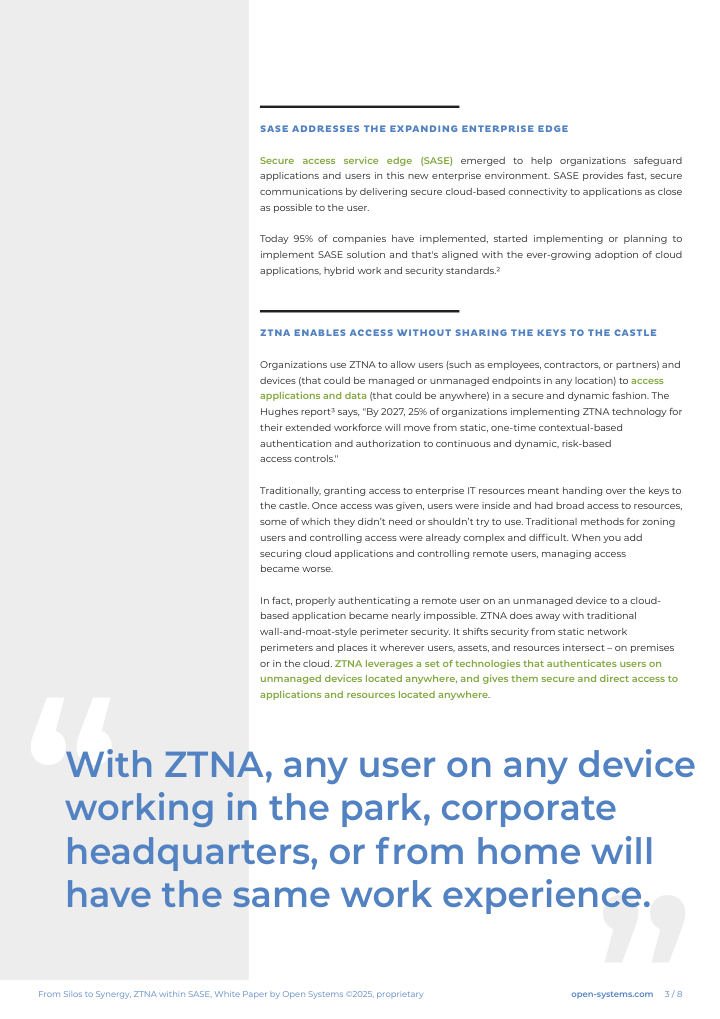
The perimeter that firewalls once guarded has dissolved: users connect from anywhere, applications live in the cloud, and the enterprise edge can be anywhere and everywhere. The market has noticed - Gartner puts ZTNA at 34.4% annual growth in 2024, the fastest-growing segment of network security spending.
This white paper explains how ZTNA grants access to applications without handing over the keys to the network, and why it works best unified with SASE rather than stitched together from separate vendors. It also covers the shadow side - legacy systems, user friction, the daily grind of policy work - and where a managed service takes that load off.
What is inside
- SASE addresses the expanding enterprise edgeWhy perimeter security stopped working once users went remote and applications moved to the cloud.
- Access without the keys to the castleHow ZTNA grants direct, isolated access to applications - never to the network - based on identity, device posture, location, and time.
- The power of unityWhat ZTNA gains in precision from SASE telemetry, and what SASE gains in reach when both run as one service.
- Unified SASE platforms are keyWhy stitched-together ZTNA and SASE means two consoles, two support desks, and a new risk with every patch.
- The shadow of ZTNAWhy adoption has been slow: legacy systems, disrupted workflows, and the fiddly daily work of policies, checks, and incidents.
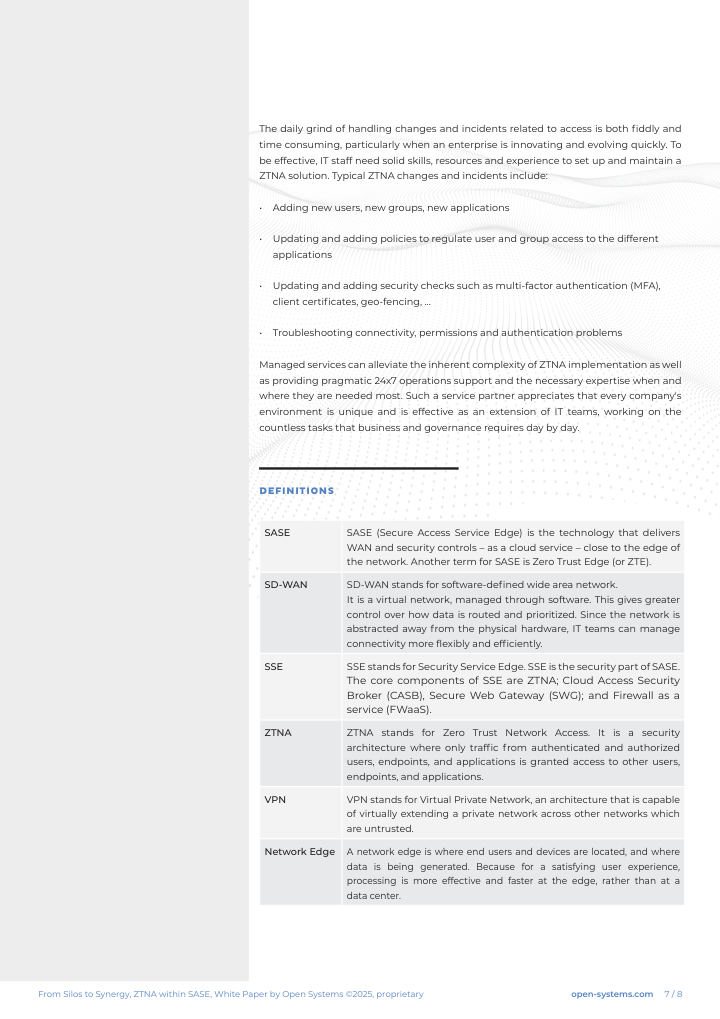
- DefinitionsA short glossary that pins down SASE, SD-WAN, SSE, ZTNA, VPN, and the network edge.

Implementing ZTNA in a business environment is like a journey, as opposed to a short commute.Who it is for
- Security architects deciding between ZTNA point solutions and a unified SASE platform
- CISOs and IT leaders planning or rescuing a ZTNA rollout
- Teams weighing managed services against running zero trust operations themselves
Founded in Switzerland. Backed by Swiss Post.
Founded in Switzerland in 1990, Open Systems generates more than USD 100 million in annual revenue and supports global enterprise customers operating in more than 180 countries. Since 2024, the company has been part of Swiss Post, combining Swiss trust and stability with global reach. As a European alternative to US- and Israel-based cybersecurity providers, Open Systems is guided by strong principles around sovereignty requirements, regulatory alignment, transparency and shared responsibility - taking clear ownership for security, performance and operational outcomes, helping organizations maintain control in an increasingly complex digital landscape.
Autonomous SASE. AI-run. Human-backed.
You might also like.
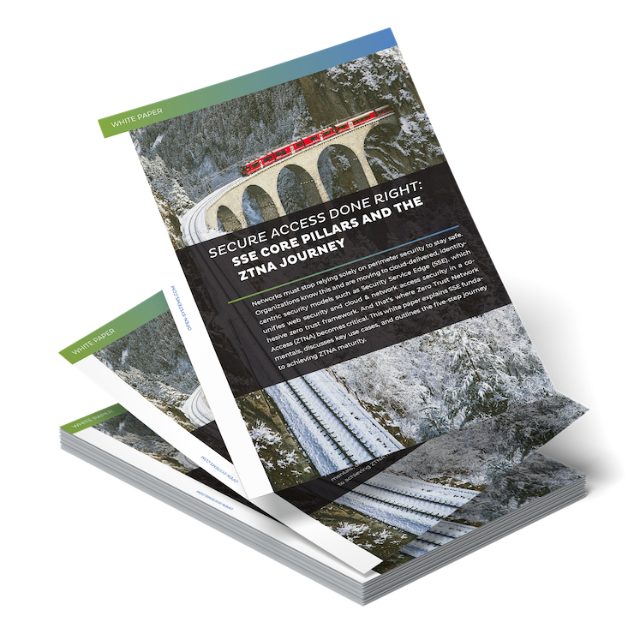
Secure Access Done Right
How SSE and ZTNA work together on the way to a zero-trust setup.
Read more →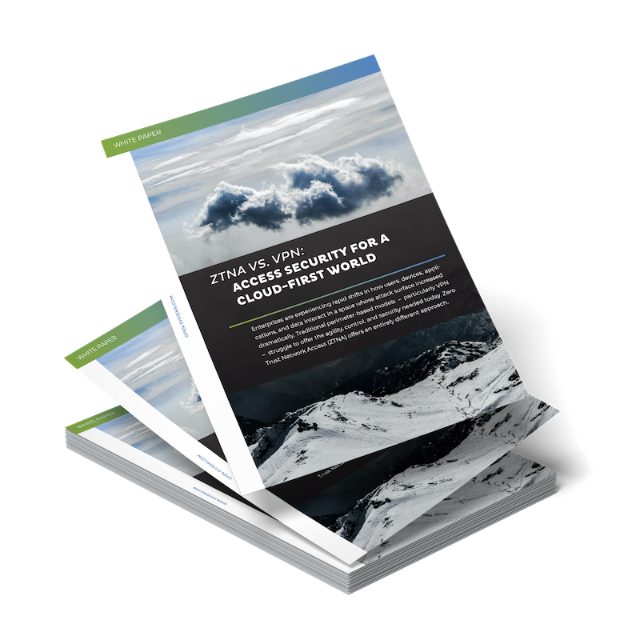
ZTNA vs. VPN: Access Security for a Cloud-First World
Why identity-based access replaces the VPN, and how to get there without breaking daily work.
Read more →
Leaving Complexity Behind: Open Systems SASE Experience
The case for running SASE as one service instead of a stack of tools.
Read more →