

Europe’s Cybersecurity Moment: Why Leadership Now Depends on Sovereignty, Accountability and Execution
 Dennis Monner, CEO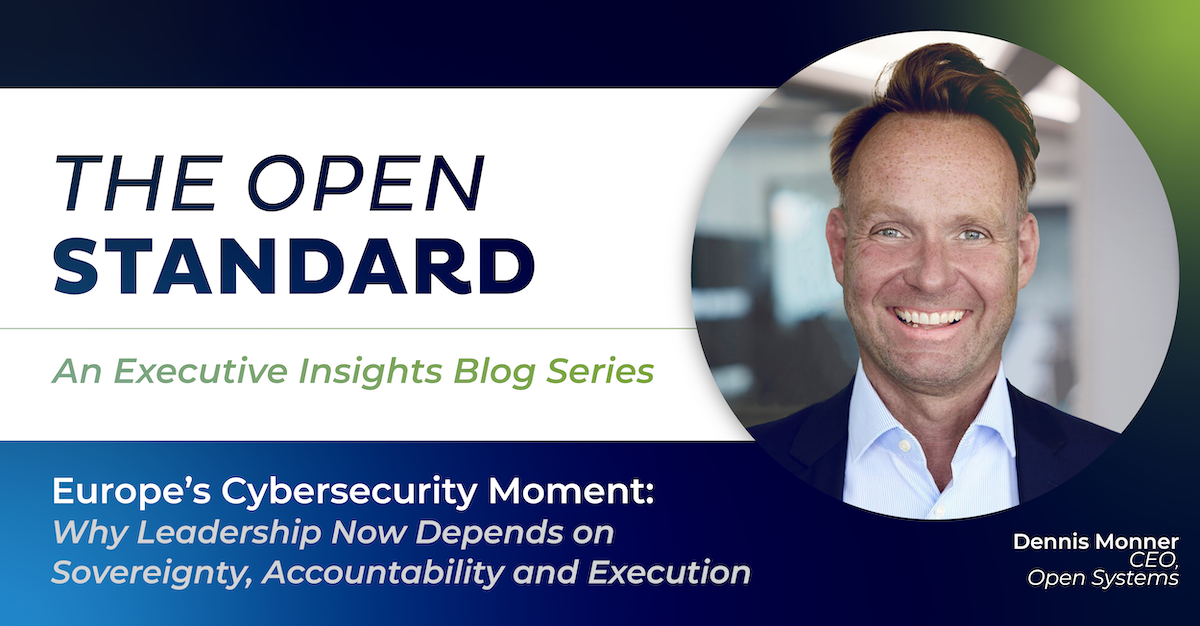
Cybersecurity in Europe has entered a decisive phase. What was once a technical procurement topic has become a board-level responsibility. Geopolitical uncertainty, stricter regulation and growing operational complexity are forcing organizations to rethink not just what they buy, but who they trust to run their security.
After my first 100 days as CEO of Open Systems, and more than 25 years building and scaling cybersecurity businesses globally, one thing is clear: The era of tool-driven security is ending. The era of operated, accountable security has begun.
From Buying Technology to Operating Security
For more than a decade, the cybersecurity industry optimized for features, platforms and consolidation. Customers followed suit, adding tools to keep up with threats.
Today, many are paying the price. Security stacks are fragmented. Teams are overwhelmed. Ownership is unclear. When incidents happen, the question is no longer which tool failed — but who is actually responsible.
The core problem is not technology. It is execution. Security does not fail because tools are missing. It fails because no one owns the operation end to end.
Why Digital Sovereignty Became a Business Requirement
This shift has made digital sovereignty a concrete business issue, not an abstract political debate. Boards and CISOs are asking practical questions:
- Where do our data reside?
- Which legal jurisdiction applies?
- Who takes responsibility when something goes wrong?
For global enterprises, especially in regulated industries, these answers directly affect risk, compliance and resilience.
At Open Systems, sovereignty is operational reality: customer data under Swiss jurisdiction, no US servers, no hidden dependencies, no exposure to foreign legal frameworks customers cannot control. This level of transparency has become a decisive buying criterion.
Operating Security at Scale: What It Really Takes
Operating security is fundamentally different from selling software. It means taking responsibility across the full lifecycle: architecture, implementation, continuous operations and incident response. This model is harder to build, but it is the only one that scales in today’s threat landscape.
Open Systems has built its business around this approach for decades. Today, as a ~USD 100 million cybersecurity company, we protect global enterprises with tens of thousands of employees, some with more than 60,000 users worldwide.
That scale only works when security is engineered for operations, not for marketing decks.
Why Swiss Engineering Matters More Than Ever
In a market dominated by large US-based platforms, Swiss engineering may sound understated. In practice, it has become a differentiator.
Swiss engineering stands for precision, reliability and long-term thinking – qualities that matter deeply when security must work every day, not just during demos. We deliberately prioritize clarity over complexity, stable architectures over feature overload, and disciplined operations over hype.
The Swiss Made Software label is not a branding exercise. It is a verifiable confirmation that the core of our development and value creation happens in Switzerland, under a clear legal framework. For customers navigating sovereignty, compliance and geopolitical risk, this matters.
AI as a Force Multiplier, Not a Shortcut
AI will fundamentally change cybersecurity, but not by replacing people.
Its real impact lies in execution: reducing manual effort, accelerating detection and response, and enabling teams to operate at scale without burning out. In 2026, the winners will not be those who talk most about AI, but those who use it to deliver fewer incidents, faster decisions and better outcomes.
What This Means for Customers and Partners
Customers face three simultaneous pressures: rising threats, tighter regulation and a persistent shortage of security talent. Organizations that continue to manage security as a collection of disconnected tools will struggle.
The same is true for partners. Success in the coming years will depend on focus, specialization and ownership. Partners who build managed services and take responsibility will win. Pure reselling will not scale.
Growth Follows Execution
The ownership structure of Open Systems reflects this long-term view. With Swiss Post as our owner, we are able to prioritize stability, accountability and sustainable investment over short-term hype. Growth and stability are not opposites, they reinforce each other when execution is right.
In cybersecurity, trust is earned operationally. It is earned when systems are stable, incidents are handled transparently and customers know exactly who is accountable.
Europe’s cybersecurity moment is now. Those who combine sovereignty, accountability and execution will define what leadership looks like in the next decade.
About the author
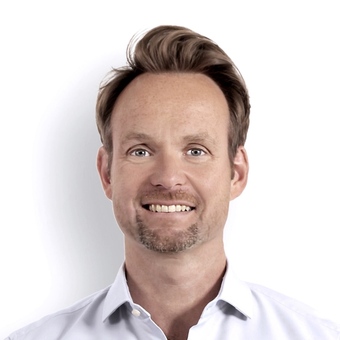
Dennis Monner is CEO of Open Systems. He has more than 25 years of experience building and scaling global cybersecurity, cloud and SaaS businesses.
Leave Complexity
Behind
To learn how Open Systems SASE Experience can benefit your organization, talk to a specialist today.
Contact Us